
Decent work deficits in the Philippines
- Nov 5, 2017
- 2 min read
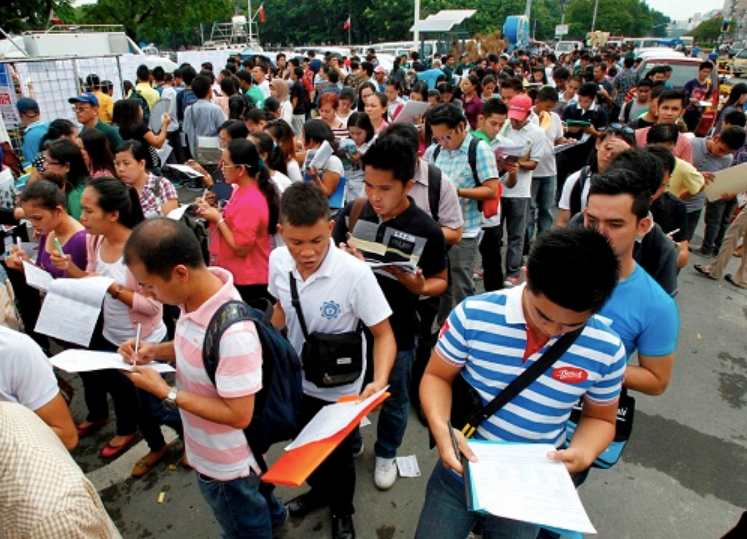
The Manila office of the International Labor Organization (ILO) has just come up with Decent Work Country Diagnostics: Philippines 2017.
What has Diagnostics 2017 found? More facts and figures supporting the foregoing observations. In particular, the new report re-states the continuing “disconnect between GDP and employment growth”, which is the Philippine economic story in the last four to five decades. A disturbing finding of the Diagnostics is the big number of the “NEET” sector. This is the youth group “who are neither in employment, education nor training”. Is the NEET in Mindanao not a rich recruitment ground for the Maute Group and other rebels?
LEP was forthright in identifying and listing “decent work deficits” in the country, the most significant of which are the following:
Economic growth in the 2000s was not accompanied by equivalent improvement in employment levels;
■ Labor productivity has been low because of lack of investments, low technology and lack of skills and training, confounded by calamities;
■ The enjoyment of the fundamental labor rights, primarily freedom of association and collective bargaining, was limited to a few since the informal sector, public sector and the “flexible” short-term hires were excluded;
■ The Labor Code is not fully aligned with the Philippine Constitution, especially with the latter’s provisions mandating the State to fully empower the workers as society’s “primary economic force”;
■ The country’s social-security schemes covered a mere 31 percent of the total employed, while minimum wage as a social protection measure has limited coverage;
■ There are growing concerns on industry-specific health and safety conditions, especially given the increasing informality of the labor market;
■ Child workers continue to work and engage in hazardous occupations and industries, such as mining and fishing;
■ Trade-union membership and collective bargaining coverage have been on the downward trend;
■ Multiple layers and delays in labor adjudication impede dispute settlement and social dialogue; and
■ There is marked absence of avenue for social dialogue involving the majority of workers, meaning those in the informal sector and those working in the micro and small enterprises.
Source:
https://businessmirror.com.ph/decent-work-deficits-in-the-philippines/
Comments